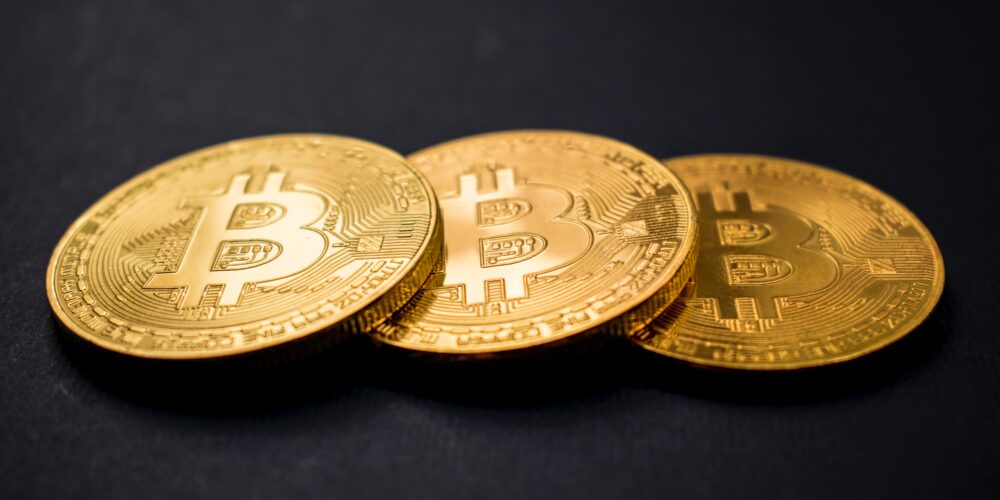

greater fool theory
The Greater Fool Theory, also known as the “Greater Fool Theory,” is a concept often used in the context of the cryptocurrency market. According to this theory, the price of assets may be inflated compared to their intrinsic value because investors believe they can sell them at a higher price to another investor, even if that investor is an even greater “fool.” Therefore, the essence of this theory is that investors choose to buy assets not because they are worth a certain price, but in the hope of making quick profits by selling the assets at a higher price.
Is this a sustainable investment strategy?
The Greater Fool Theory assumes that there is an infinite number of “greater fools” willing to buy assets at even higher prices. However, a strategy based on this theory can be dangerous and risky. In reality, the market is not always favorable, and asset prices can plummet sharply, leaving investors who relied on this theory with significant financial losses.
The risk of investing according to the Greater Fool Theory
Investing according to the Greater Fool Theory can lead to a speculative bubble where asset prices are disproportionately inflated relative to their true value. When the speculative bubble bursts, investors who relied on the Greater Fool Theory often lose a large portion of their capital. Therefore, it is important for investors to be aware of the risks associated with this investment strategy and make investment decisions based on the actual value of assets and solid market analysis.
Summary
The Greater Fool Theory may be attractive to investors seeking quick profits, but one must remember the risks associated with it. The value of assets should be based on fundamentals and market analysis, not just the hope of selling them at a higher price to another investor. Awareness of risk and making prudent investment decisions are crucial for success in the cryptocurrency market.

Advertisement: